Common problems when booking Hackney rubbish removal
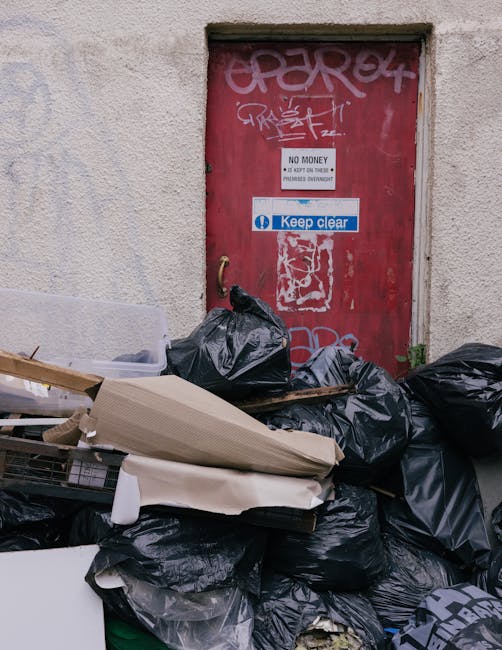
Booking rubbish removal should make life easier, not turn into another headache. Yet plenty of people in Hackney run into the same avoidable issues: unclear pricing, missed access details, wrong service expectations, and collections that do not quite match what was promised. If you have ever stared at a pile of old furniture, builders' debris, or a cramped loft full of bits and pieces and thought, "How hard can this be?", well, the answer is: trickier than it looks.
This guide walks through the common problems when booking Hackney rubbish removal, why they happen, and how to avoid them. You will get a practical, local-friendly view of what to check before you confirm a booking, how to compare services properly, and which mistakes tend to cost time, money, or both. If you want a service that feels straightforward rather than stressful, this is the stuff worth knowing.
- Why these booking problems matter
- How rubbish removal bookings usually work
- Benefits of getting the booking right first time
- Who this guide is for
- Step-by-step guidance before you book
- Expert tips for smoother collections
- Common mistakes to avoid
- Tools, resources and recommendations
- Law, compliance and best practice
- Options and comparison table
- Real-world example
- Practical checklist
- Conclusion
- Frequently asked questions
Why Common problems when booking Hackney rubbish removal Matters
In a place like Hackney, timing and access matter more than people expect. Streets can be busy, parking can be awkward, and many homes are flats, converted buildings, or properties with tight stairwells and limited loading space. That means a small mistake during booking can snowball into delays, additional charges, or a collection that simply cannot happen on the day.
The biggest issue is not usually the rubbish itself. It is the assumptions around it. One person says "a few bags and some furniture," another hears "light clearance job," and by the time the team arrives they find broken wardrobes, plasterboard, heavy waste, or a pile that reaches further than expected. To be fair, this happens all the time. It is not about blame; it is about detail.
Getting the booking right also affects compliance and safety. If you are clearing mixed waste, bulky items, or renovation debris, you want a provider who understands sorting, loading, and responsible disposal. If you are looking at a larger project, you may also need a more specific service such as builders waste clearance, house clearance, or office clearance rather than a generic ad hoc pickup.
Key takeaway: Most booking problems come down to unclear waste type, unclear access, or unclear pricing. If you fix those three things early, the rest gets much easier.
How Common problems when booking Hackney rubbish removal Works
Most rubbish removal bookings follow a simple pattern: you explain what needs collecting, the company estimates the job, a slot is agreed, and the waste is removed. The process sounds easy enough. The trouble starts when the description is too vague or the site conditions are not properly checked.
In practical terms, a good booking should cover:
- the type of waste, such as furniture, garden waste, loft clutter, or construction debris
- approximate volume, usually measured in bags, items, or load size
- access details, including stairs, lifts, parking, and distance from the property
- how quickly the waste needs to go
- whether the waste includes anything special, heavy, or awkward
Where people get caught out is the handover between enquiry and arrival. A phone call may feel complete, but if the details are not written down clearly, the job can drift. One collection might have been priced on "two sofas and a few boxes," only for the team to discover a garage full of mixed junk, damp carpet, and old shelving. That is when the awkward conversations start.
You will notice that the smoothest bookings are usually the ones where the customer does a little prep before requesting a quote. They send photos, mention the floor level, explain parking, and say whether items are dismantled or not. It saves time. It really does.
Key Benefits and Practical Advantages
When a rubbish removal booking is handled properly, the benefits are immediate. You save time, avoid repeated calls, and reduce the chance of extra charges later. That matters whether you are clearing a flat, a family home, a garage, or a small office.
Here are the main advantages of getting the booking stage right:
- Clearer pricing: You are less likely to be surprised by add-ons for access, weight, or extra volume.
- Faster collection: Accurate details help the team arrive prepared with the right vehicle and manpower.
- Less disruption: Better planning means less waiting around, especially if you are juggling work, childcare, or building access.
- Better disposal outcomes: Properly sorted waste is easier to recycle or separate responsibly.
- Lower stress: A tidy, well-briefed booking feels calm instead of chaotic. Which, let's face it, is the whole point.
If you are comparing different types of clearance, it can help to look at the specific service page that matches the job. For example, a home move or bereavement clearance might be better suited to home clearance or flat clearance, while single-item disposal could fit furniture disposal or furniture clearance.
Who This Is For and When It Makes Sense
This topic matters to a lot of people. If you live in Hackney and need waste gone quickly, the booking stage can make or break the experience. It is especially relevant if you are:
- clearing out a rental property between tenants
- moving from a flat or house and need bulky items removed
- sorting a loft, garage, or shed that has filled up over the years
- getting rid of old office furniture or archived clutter
- dealing with garden cuttings, soil bags, or broken outdoor items
- managing renovation or refurbishment waste
It also makes sense if you are just tired of the "I'll deal with it later" pile. We all know that pile. It starts with one chair, then a lamp, then half a wardrobe. Suddenly the hallway looks like a small depot.
For businesses, booking matters even more. Delays can affect staff, customers, and building managers. If waste is being removed from an office or commercial space, review options such as business waste removal and office clearance so the service matches the setting and timing.
Step-by-Step Guidance
If you want to avoid the most common booking problems, use a simple process. Nothing fancy. Just clear, practical steps.
- Identify the waste properly. Separate general rubbish from furniture, garden waste, building materials, and anything potentially hazardous. If a job includes mixed waste, mention that upfront.
- Estimate the volume honestly. Take a quick look at how much space the items occupy. A few photos from different angles help a lot.
- Check access early. Note stairs, narrow hallways, parking restrictions, lift access, locked gates, or long carrying distances.
- Ask what is included. Confirm labour, loading, disposal, and any extras. Do not assume every quote covers the same things.
- Explain any awkward items. Heavy wardrobes, broken beds, freezers, plasterboard, or damp materials often need special handling.
- Choose a suitable time slot. Morning, midday, or after-hours collections can make a real difference in busy areas.
- Keep your contact details active. If the crew cannot reach you on the day, small problems can become big ones very quickly.
A small but useful habit: send a short written summary after the call or enquiry. Even a basic message such as "two wardrobes, one sofa, five bags, second-floor flat, no lift" can prevent misunderstandings. It sounds almost too simple, but honestly, that little note can save the day.
Expert Tips for Better Results
In our experience, the best bookings are rarely the cheapest on paper. They are the clearest. Here are some practical tips that help more than most people expect.
Be precise about access
Access is one of the biggest hidden variables in rubbish removal. A ground-floor property with parking outside is very different from a top-floor flat with a narrow stairwell and no nearby stopping point. If the provider knows that upfront, they can plan people, time, and equipment properly.
Group similar waste together
Try to keep furniture, green waste, and renovation debris separate where possible. That is not always essential, but it makes quoting easier and can improve handling on collection day. A mixed pile in the corner of a garage is the sort of thing that looks small from one angle and huge from another.
Ask what happens if the load changes
Sometimes jobs expand. Perhaps you decide to clear the shed as well, or a cupboard turns out to contain more than expected. Ask in advance how changes are handled so you are not guessing on the day.
Check the company's policy pages if you want reassurance
If you are comparing providers, their public information can tell you a lot about how they work. Pages such as pricing and quotes, payment and security, insurance and safety, and recycling and sustainability can give you a better sense of standards and expectations.
Don't leave sorting until the van arrives
If the crew is waiting while you separate items, the job slows down and confusion rises. A little preparation the night before can make the actual collection feel almost boring. That is a good thing.
Common Mistakes to Avoid
This is where many bookings go sideways. Some of these mistakes are tiny. Others are expensive. Most are avoidable.
- Giving a vague description: "Just some rubbish" is rarely enough.
- Forgetting about access: No one enjoys discovering on arrival that the van cannot stop nearby.
- Assuming all waste is the same: Furniture, builders' waste, and garden waste often need different handling.
- Not mentioning bulky or heavy items: A mattress is not the same as a cast-iron bath. Not even close.
- Ignoring building rules: Some flats and managed properties have collection windows, loading restrictions, or permit sensitivities.
- Comparing quotes without checking what is included: A cheaper quote can become more expensive if it excludes the basics.
- Leaving it too late: If you need the waste gone before an inspection, move, or handover, don't leave it to the last minute.
One surprisingly common issue is overestimating how "simple" the job is. A loft clearance, for example, might look straightforward until you remember there is a narrow hatch, dusty insulation, and a box marked "misc" that somehow weighs a ton. That sort of thing changes the whole job.
Tools, Resources and Recommendations
You do not need specialist equipment to book rubbish removal well, but a few simple tools help a lot.
- Phone camera: Take wide shots and close-ups of awkward items.
- Notes app: Keep a basic list of waste types, quantities, and access details.
- Measuring tape: Useful for large items, tight hallways, or stair landings.
- Calendar reminder: Add collection time, contact details, and building instructions.
- Rough inventory list: Helpful for home moves, business clearances, and mixed loads.
For more specialised clearances, the relevant service pages can help you frame the request more accurately. For instance, a garage stuffed with old tools and broken storage might fit garage clearance, while overfilled lofts usually need loft clearance. Outdoor waste is often better handled through garden clearance.
If you are comparing how a company presents itself, the about us page can also be useful. Not because it tells you everything, but because it often gives you a feel for how seriously they take service and responsibility.
Law, Compliance, Standards, or Best Practice
Rubbish removal in the UK sits within a broader framework of environmental responsibility, safe handling, and appropriate disposal. You do not need to become a compliance expert to book a collection, but it helps to know the basics.
As a customer, your best practice is simple:
- describe the waste accurately
- be honest about whether it includes mixed or awkward materials
- avoid leaving waste in a way that creates hazards for workers, neighbours, or passers-by
- check that the service feels transparent about pricing and handling
For anything potentially hazardous, heavy, or unusual, ask questions before booking. That is especially sensible if the waste includes sharp objects, contaminated materials, electrical items, or building debris. A responsible provider should be able to explain how the job will be managed in plain English.
Best practice also includes insurance, safe lifting, and decent communication. Those things may sound basic, but they are exactly what prevent avoidable problems on the day. A good operation does the unglamorous stuff well.
If you need to understand how a company deals with service issues, it can also help to review the complaints procedure and terms and conditions before you book. It is not exactly thrilling reading, granted, but it can save misunderstandings later.
Options, Methods, or Comparison Table
Different jobs need different approaches. A quick comparison can help you choose the right path before you book.
| Booking approach | Best for | Common risk | What to check first |
|---|---|---|---|
| Single-item collection | One sofa, mattress, appliance, or bulky item | Hidden access or labour issues | Item size, weight, and carrying route |
| Mixed household clear-out | Lofts, garages, home decluttering | Underestimating volume | Photos, room count, and load size |
| Garden or outdoor clearance | Cuttings, broken outdoor furniture, soil bags | Wet or heavy waste increasing load weight | Type of green waste and access to the garden |
| Builders' waste removal | Refurbs, rip-outs, renovation debris | Wrong waste category or excessive weight | Whether the waste is rubble, wood, plasterboard, or mixed |
| Business clearance | Offices, shops, managed premises | Timing conflicts with staff or building rules | Access times, loading arrangements, and contact person |
If your job sounds like a handful of categories mixed together, do not panic. It happens. But choose the method that reflects the mess, not the one that sounds easiest in the moment.
Case Study or Real-World Example
Here's a realistic example. A renter in Hackney calls to book rubbish removal for "a few bits from the flat." The flat is on the third floor, there is no lift, parking is limited, and the waste includes a broken wardrobe, a desk, several bags of household clutter, and some dismantled shelves from the hallway.
If those details are not mentioned at booking, the quote might be based on a much easier job than the one on the ground. On arrival, the team may need extra time, a second person, or a different vehicle position. That is where friction starts. Nobody enjoys that moment where the customer says, "Oh, I forgot to mention the shelves in the spare room."
Now compare that with a better booking. The customer sends photos, states the floor level, mentions the no-lift access, and confirms that the wardrobe is still in one piece. The provider can then price and plan more accurately. The job feels calmer, the collection goes faster, and everyone gets on with their day.
Small difference. Big result. That is usually how this works.
Practical Checklist
Use this before you confirm any Hackney rubbish removal booking.
- Have I identified the main waste type?
- Have I taken clear photos from more than one angle?
- Do I know roughly how much waste there is?
- Have I mentioned stairs, lifts, parking, or restricted access?
- Have I said whether the items are heavy, bulky, or dismantled?
- Have I checked what the quote includes?
- Do I know whether the job is better suited to a specific service such as home, flat, loft, garage, garden, or office clearance?
- Have I asked what happens if the load turns out to be larger than expected?
- Have I read the basic terms or service notes?
- Am I happy with the timing and contact arrangements?
Tick those off and you will avoid most of the classic booking problems. Not all of them, perhaps, but most. And that is a solid start.
Get a free quote today and see how much you can save.
Conclusion
The most common problems when booking Hackney rubbish removal are usually not dramatic. They are small misunderstandings: a vague description, a missed access detail, a quote that did not cover the actual load, or a job that should have been booked as a more specific clearance service from the start.
That is the good news, really. Because if the problems are predictable, they are fixable. Share clear details, send photos, be honest about volume and access, and choose the right service for the job. You will reduce stress, avoid surprise charges, and make the whole thing feel a lot more straightforward.
And if the pile still looks intimidating for a moment before collection? Fair enough. Most of us have stood in a room full of unwanted stuff and felt the same. Once it is gone, though, the space feels lighter. Even the air feels different.
Frequently Asked Questions
What are the most common problems when booking Hackney rubbish removal?
The biggest issues are vague descriptions, underestimated load sizes, poor access planning, and unclear pricing. Those four account for most awkward collection-day surprises.
How can I avoid unexpected charges?
Give a detailed description, share photos, explain access limitations, and ask exactly what the quote includes. If anything sounds vague, ask again before you book.
Do I need to sort the rubbish before collection?
Not always, but it helps. Separating furniture, garden waste, and builders' waste makes quoting and loading easier. It also reduces the chance of confusion on the day.
Why does access matter so much?
Access affects labour, timing, and vehicle positioning. A flat with stairs and no parking nearby is a very different job from a ground-floor property with easy roadside access.
Is it better to choose a specific clearance service?
Usually, yes. If the job is mainly furniture, loft clutter, garden cuttings, or builders' debris, a targeted service is often a better fit than a general booking.
What should I tell the rubbish removal company before they arrive?
Tell them what the waste is, how much there is, where it is located, what floor it is on, whether there is a lift, and whether parking or access is restricted.
Can I book rubbish removal for an office or business property?
Yes. If the waste comes from a commercial setting, look at business-focused services such as business waste removal or office clearance so the provider understands the setting.
What if my load turns out to be bigger than I thought?
That happens quite often. A good provider should explain how changes are handled and whether the quote may need adjusting. It is much better to mention the uncertainty upfront.
Are quotes usually based on weight or volume?
It depends on the provider and the type of waste. Many quotes are influenced by volume, labour, waste type, and access conditions, so it is worth checking how pricing is worked out.
What if I need a same-day collection?
Same-day bookings can work, but you need to be especially clear about access and waste type because there is less time to correct misunderstandings. Send photos and concise notes straight away.
Should I read the terms before booking?
Yes, at least the parts about what is included, cancellation, access, and payment. It saves a lot of back-and-forth later and gives you a clearer expectation of how the service runs.
How do I know whether a rubbish removal company is trustworthy?
Look for clear service information, practical contact options, transparent pricing guidance, and supporting pages such as about us, pricing and quotes, and insurance and safety. The aim is simple: feel confident before you hand the job over.