Garden Clearance in Hackney
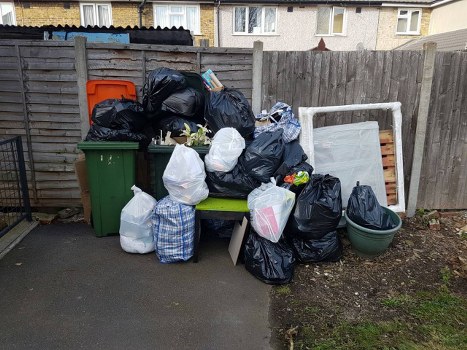
Garden Clearance Hackney provides practical outdoor clearance services for homes, landlords and property managers who need overgrown, cluttered or post-project garden space put back into usable condition. We handle a wide range of green waste and outdoor debris, from cuttings and bramble growth to broken planters, timber offcuts and weathered garden fixtures, always aiming to leave the area tidy and ready for its next stage. If you need a clearer garden footprint without having to sort everything yourself, this service is built around that outcome.
The work is suited to a variety of jobs, including seasonal cut-backs, one-off declutters, garden renovation prep and the removal of mixed organic and non-organic waste. We can also help when outdoor storage has spread beyond sheds and patios, or when plant borders, beds and pathways need clearing before maintenance or landscaping begins. Garden clearance is often less about a single item type and more about managing the whole space efficiently.
For a straightforward enquiry, it helps to note the size of the outdoor area, the type of waste involved and any access points that may affect removal. If you already know whether the job is mostly green waste, mixed garden debris or a fuller clearance, that gives us a useful starting point. You can also request a quotation once you are ready to discuss the details in plain terms.
Garden clearance work for mixed outdoor waste
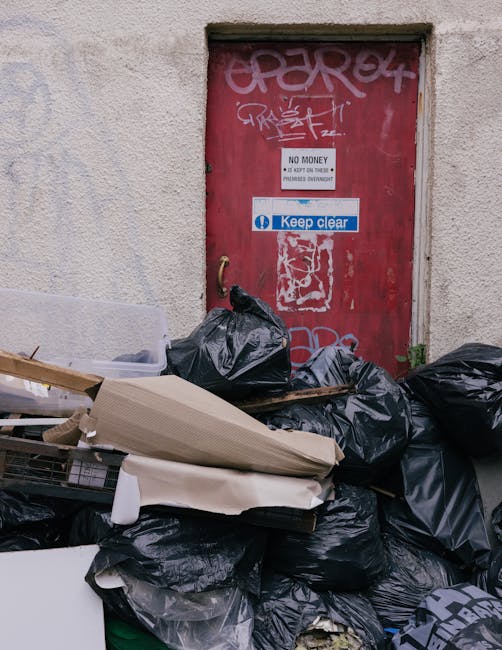
The main part of our service is clearing unwanted material from gardens so the space can be used safely and sensibly again. That can include hedge trimmings, ivy growth, leaves, turf, soil residues, damaged edging, scattered household items and garden furniture that has reached the end of its useful life. We aim to separate what can be handled as garden waste from items that need a different disposal route, keeping the process organised rather than rushed.
Different gardens call for different levels of clearing. A small courtyard may need only a light tidy after pruning, while a larger rear garden may involve a fuller clear-out with attention to corners, borders, sheds and hard-to-reach sections. Where appropriate, we can remove piles of cuttings, stackable loose waste and broken outdoor items in one visit, reducing the need for multiple separate clearances. Garden clearance service details can help you understand how this work is typically structured.
Some clearances are dominated by green waste, while others contain a blend of garden junk and general household clutter. In practice, that means the method matters as much as the volume. We focus on safe lifting, sensible segregation and efficient loading, so the result is not just fewer items on site but a more workable outdoor layout. When the aim is to recover usable ground, the clearance stage is often the most important part of the process.
What can be removed from a garden
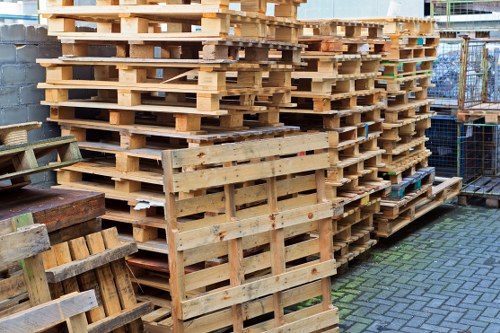
A garden clearance can involve much more than grass cuttings. Common items include broken pots, worn plant containers, compost bags, old decking pieces, trellis, fencing offcuts, rusting tools, collapsed storage, children’s outdoor items and general garden rubbish that has accumulated over time. Where a garden has become a holding area for unwanted materials, the work may also include a careful sort of what is going versus what should remain.
There are also jobs where the contents are mostly organic but still awkward to manage in bulk. Branches, hedge growth, roots, weeds and damp leaf matter can become heavy quickly, especially after prolonged wet weather. That is one reason why a professional clearance is useful: it turns a messy mix of materials into a planned removal rather than a series of small, exhausting trips. For larger or more complex jobs, waste removal options may be relevant alongside the garden-specific work.
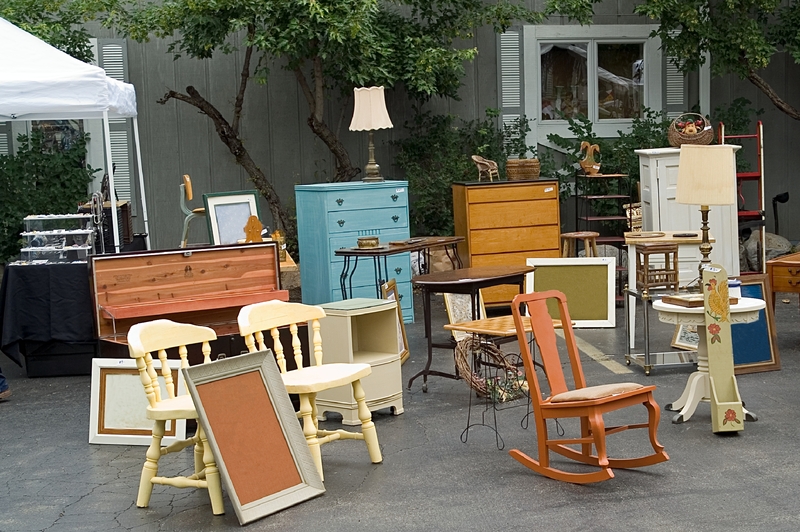
If your outside area includes both garden clutter and items from the home such as broken furniture or redundant storage pieces, we can usually discuss the most suitable way to handle them. The key question is not whether something looks like garden waste, but whether it can be removed efficiently and disposed of appropriately. Clear categorisation helps prevent delays and keeps the clearance focused on the items that matter most.
How we approach overgrown spaces
Overgrown gardens often need a methodical approach rather than a quick tidy. Dense brambles, tangled stems, self-seeded growth and fallen branches can hide other waste beneath the surface, so a careful clear starts by opening up the space enough to see what is actually there. Once the access is improved, the remaining waste can usually be handled more cleanly and with less disruption to the rest of the site.
In some cases, the work is concentrated around key access routes such as paths, gates and side returns. In others, the main aim is to reduce the bulk of growth so a gardener, landscaper or property owner can carry out further work. We do not treat every garden the same way; instead, we look at what is obstructing the usable areas and clear in a way that supports the next step. Home clearance support may also be useful where the indoor and outdoor jobs are being planned together.
This kind of work can be particularly helpful where outdoor storage has been left to build up around fences, patios and boundary edges. The objective is not only to take things away but to make the garden more manageable once the clearance is complete. Safe access and sensible sorting help the job move in a steady sequence, especially where the space is uneven, cramped or partly hidden by growth.
Garden waste, recycling and disposal choices
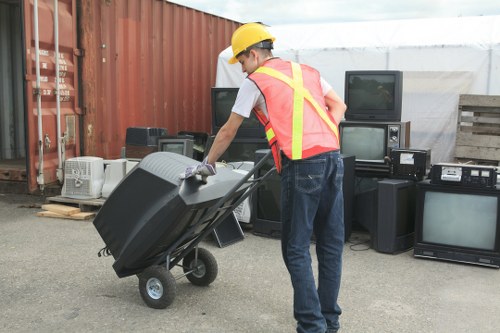
Not every item removed from a garden follows the same disposal route. Green waste, timber, metal fixtures, plastics, damaged furniture and mixed household bits may need to be handled separately to keep the process orderly. Where possible, materials are directed in line with their type, which is particularly useful on clearances that include both organic waste and harder, non-compostable items. That distinction matters because it shapes what can be processed together and what cannot.
This is one reason customers often ask about the wider waste handling side of a clearance. The practical answer is that the service is designed to take away the burden of sorting and moving items yourself, while still keeping the job sensible and controlled. For people who want to understand how materials are treated, our recycling and sustainability information gives a broader picture of how responsible disposal is approached.
Garden clearances can sometimes uncover items that need extra care, such as old pots with sharp edges, broken glass in planting areas, rusted fixings or damp waste that has been left for some time. A good clearance process takes account of those details rather than simply loading everything together. That is especially useful when the garden has not been used properly for months or has become a storage area during renovation or change of occupancy.
Preparing a quotation for garden clearance
When you ask for a quotation, the most useful information is usually the scale of the garden, the kind of waste involved and any access considerations. If there are tight side passages, shared entrances or awkward carrying routes, those details help us assess the work more accurately. Photographs are often helpful, though they are not the only way to describe a job; a clear written outline can also work well if the clearance is straightforward.
It also helps to mention whether the garden includes separate areas such as a shed, alleyway, patio or raised beds, because each part may affect the amount of clearance required. A tidy, limited job and a full overgrown clearance are both garden clearances, but they are not the same in practical terms. You can start with a brief description and then ask for a quote once the main details are clear enough to review.
The aim of the quotation stage is not to make the process complicated. It is simply to match the work to the right level of removal, so the garden is cleared efficiently and without avoidable back-and-forth. If you already know that the job includes bulky pieces, mixed waste or a lot of cut vegetation, say so up front. That tends to make the next step more direct.
Useful related clearance services
Some customers only need outdoor clearance, while others have adjoining spaces that need attention at the same time. For instance, a property may need the loft, garage or interior rooms cleared before exterior access is restored or before landscaping starts. In those cases, we can discuss the different clearance types as related but distinct jobs, rather than trying to force everything into one category. That keeps the plan clearer from the outset.
Where garden items have been stored in outbuildings or mixed with general household waste, it may also be useful to consider related services. Garage clearance can be relevant for garden tools, old pots and stored outdoor materials, while a broader property job may involve house clearance or flat clearance if the outdoor clutter is part of a larger move or clean-out. The right mix depends on what is actually on site.
We also handle more targeted waste removal where that is the better fit. For example, a single garden project may generate both green waste and renovation debris, or a patio replacement may leave a pile of old materials that should not be treated as standard garden cuttings. Choosing the right service makes the removal more efficient and avoids unnecessary repetition. If you are unsure, start by describing the items rather than trying to name the service first.
About Hackney
Hackney is one of inner London’s most varied boroughs, shaped by a mix of older parish boundaries, Victorian and Edwardian housing, post-war rebuilding and more recent change around former industrial land. It sits to the north-east of the City of London and includes well-known districts such as Hackney Central, Dalston, Shoreditch, Stoke Newington, Clapton and Homerton. The borough’s streets show a wide range of architectural periods, from terraces and mansion blocks to warehouse conversions and council estates, with many local conservation areas preserving characteristic historic fabric. Hackney also includes large open spaces such as London Fields, Victoria Park on its eastern edge, Clissold Park nearby in the north, and the Hackney Marshes landscape to the east of the borough, where playing fields and waterways form a different kind of urban setting. The Regent’s Canal and the River Lea corridor add another important layer to its geography, linking residential streets with towpaths, bridges and former industrial routes. Cultural life is equally prominent, with theatres, music venues, markets, independent businesses and community events contributing to a strong sense of local identity. The borough’s history includes long periods of manufacturing, migration and urban renewal, and those layers remain visible in place names, streetscapes and public spaces. Today Hackney is known for its density, variety and continuing change, but it still retains many reminders of its earlier development through its parks, canals, residential terraces and civic buildings.
Garden clearance for landlords and property managers

Landlords, letting agents and property managers often need outdoor areas cleared quickly between tenancies or before a property is presented for inspection. In those cases, the focus is usually on restoring order rather than redesigning the space. That may mean removing accumulated waste, tidying borders, clearing access to bins or outbuildings and dealing with any garden items left behind by previous occupants. A practical clearance can make the outside area easier to assess and maintain.
We can also support situations where the garden has been used for storage during a period of vacancy or refurbishment. Mixed waste, damp materials and broken fixtures are common in those circumstances, especially when the property has been left untended. If there is a broader disposal task beyond the garden, builders waste clearance may be useful for renovation leftovers, while furniture disposal can help where indoor items and outdoor waste need to be planned together.
For management clients, the practical advantage of a clear outdoor area is that it becomes easier to hand over, inspect or prepare for follow-on work. That is why a sensible clearance is often more valuable than a purely cosmetic tidy. It reduces uncertainty about what remains on site and makes the next step easier to organise. Reliable removal matters when multiple people are involved and the property needs to move forward without delay.
Seasonal clearances and garden reset work

Garden clearance is often seasonal, with jobs building up after autumn leaf fall, winter storms or a long period of limited use. In spring and early summer, customers may want to reclaim pathways, borders and lawn edges before planting or general maintenance begins. Later in the year, the work may be driven by leaf accumulation, overgrown shrubs or the need to prepare an outdoor area for storage, repairs or temporary closure. The nature of the task changes, but the aim remains the same: make the space workable again.
Some customers use a clearance as the first step in a wider garden reset. That can involve removing dead growth, broken items and obsolete features so the remaining structure of the garden is easier to see. Once the clutter is gone, it becomes more straightforward to decide what should be pruned, repaired, retained or replaced. If you are planning a wider project, a concise description of the items and areas involved is often the best starting point, followed by a clear request for quotation.
Where the waste is a combination of cuttings, old fixtures and unwanted household pieces, the job can benefit from a methodical sequence rather than a hurried load-up. We work to keep that sequence practical: identify what is staying, remove what is going, and leave the outdoor area ready for the next stage. If you need to talk through the job, keep it simple and focused on the contents of the space. That is usually enough to get the process moving in the right direction.
Choosing the right garden clearance plan
Not every clearance needs the same approach, and the best plan depends on how much waste is present, how it is spread through the garden and whether any separate materials need special handling. A smaller tidy may only require a few bags of cuttings and some broken containers to be removed, while a fuller clearance could involve layers of waste concealed under growth. Matching the plan to the site prevents wasted effort and helps the job stay proportionate.
It is also worth considering whether access, parking or carrying distance will affect how the work is organised. Garden clearances often sound simple until the practical details are added in, particularly in terraced properties or homes with narrow side returns. If your outdoor area connects with a shed, alley or rear access lane, that may influence how the waste is moved. Pricing and quotes information can also be helpful if you want to understand the general factors that shape a quotation.
Ultimately, the right service is the one that removes the right items without unnecessary complication. If the garden is cluttered but still recognisable, a light clearance may be enough. If the space has become heavily overgrown or mixed with stored items, a fuller removal plan is usually more sensible. Either way, the goal is to leave the garden easier to use, easier to maintain and easier to view.
Speak to us about your garden clearance
If your garden needs clearing in Hackney, the simplest way to begin is to describe what is in the space and what outcome you want. Whether it is a neglected rear garden, a small courtyard with mixed waste or a larger outdoor area that needs a fuller reset, we can talk through the practical side and help you decide what level of clearance is appropriate. Keep the description honest and specific, and it is usually straightforward to move toward a quotation.
For enquiries that involve multiple areas of the property, it is often useful to mention the garden first and then note any related rooms, outbuildings or stored materials. That gives a fuller picture without making the process complicated. If you are ready to take the next step, contact us for a quotation. We will use the details you provide to review the job and respond in a way that reflects the actual work involved.
When you are ready, send the basic information and let us know which parts of the garden need attention. A clear brief is usually enough to start the conversation, and a well-matched clearance plan follows from that. Request a quotation today if you want the outdoor space cleared, sorted and made easier to use again.