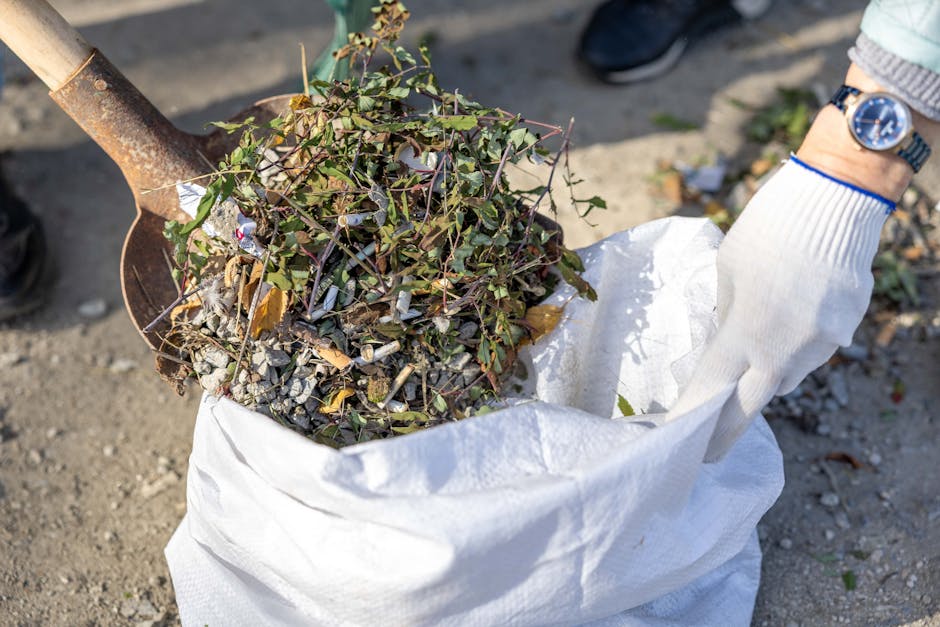
London Fields Hackney garden rubbish removal tips E8

If your garden in London Fields is starting to look more like a holding area for branch piles, old pots, broken fencing, and the remains of last weekend's tidy-up, you are not alone. Garden waste builds up quickly, especially in E8 where space is tight, bins fill fast, and access can be a bit of a faff. This guide to London Fields Hackney garden rubbish removal tips E8 is here to make the whole job feel simpler, safer, and less stressful.
Whether you are clearing a small courtyard, a shared back garden, or a larger family space, the trick is not just removing waste. It is removing it efficiently, legally, and without turning one chore into three. Below you will find practical tips, a step-by-step process, common mistakes, and a realistic look at when a professional clearance service makes sense. No fluff. Just useful advice you can actually use.
Why London Fields Hackney garden rubbish removal tips E8 Matters
Garden waste seems harmless at first. A few hedge cuttings here, a cracked planter there, maybe an old lawn edging strip you meant to deal with months ago. Then suddenly there is a pile that smells damp, blocks the path, and attracts the sort of flies nobody wants near the back door. In London Fields, that matters even more because outdoor space is often compact and shared boundaries can make clutter feel worse than it is.
Good rubbish removal is about more than getting rid of "green waste". It protects access, keeps your garden usable, and reduces the chance of fly-tipping becoming someone else's problem on your street. It also helps if you are preparing to let, sell, renovate, or simply enjoy the garden without tripping over offcuts every time you step outside.
To be fair, the hardest part is often not the lifting. It is deciding what should be composted, what can be reused, what needs a separate disposal route, and what should never go in a normal household bin. That confusion is where people lose time. A little planning saves a lot of hassle.
If your project overlaps with old sheds, broken fences, or mixed household clutter, it can help to think beyond garden waste alone. Services such as garden clearance and broader waste removal support are often more practical than trying to piece it together yourself.
How London Fields Hackney garden rubbish removal tips E8 Works
The basic process is straightforward, but the details matter. First, you separate the waste into sensible piles. Then you decide what is reusable, what can be bagged, what needs cutting down, and what is too bulky or awkward for a quick DIY run. After that, you arrange transport or collection.
In practice, a good garden rubbish removal plan usually follows four stages:
- Sort the waste. Separate green cuttings, soil, wood, metal, rubble, and mixed junk.
- Reduce the volume. Cut branches, flatten lightweight items, and bundle long waste so it is safer to move.
- Load efficiently. Keep sharp, wet, or heavy items from damaging bags, floors, or vehicles.
- Dispose responsibly. Choose the right route for each material, especially if it is mixed with old fixtures or non-garden items.
That sounds obvious, but mixed garden waste is where people get stuck. One week you are trimming ivy; the next you are looking at a broken parasol base, half a bag of topsoil, and a rusty trellis that does not belong anywhere neat. A tidy, separated pile makes the whole job feel lighter. Honestly, it does.
If you are working with more than just hedge trimmings, a specialist garden clearance option can save repeated trips. And if the garden refresh has become part of a bigger property job, you may also want to look at home clearance or house clearance for the indoor side of the project.
Key Benefits and Practical Advantages
There is a clear payoff to doing garden rubbish removal properly, especially in an area like E8 where access, neighbours, and time all count. The benefits are not just visual, although a clean garden does feel better the minute you open the door.
- Safer movement around the garden: fewer trip hazards, fewer sharp edges, fewer hidden surprises under leaves.
- Better use of space: once the waste is gone, you can see the real shape of the garden again.
- Less mess spreading indoors: muddy bags and damp branches are much easier to manage when cleared early.
- Improved presentation: useful if you are hosting, photographing a property, or preparing for tenants.
- More responsible disposal: separating materials usually makes reuse and recycling easier.
There is also a practical money angle. If you are paying for a clearance service, sorting waste in advance can reduce the load size and make the work more efficient. If you are doing it yourself, sorting reduces wasted vehicle space and cuts down on repeat journeys. Small difference, big effect.
For properties where the garden cleanup reveals more clutter than expected, it can be sensible to combine services rather than tackle everything in isolation. The right mix might include furniture disposal, garage clearance, or even loft clearance if the declutter starts spreading indoors. Gardens have a funny way of leading to everything else.
Who This Is For and When It Makes Sense
This kind of guidance is useful for a fairly wide group of people. Some are dealing with a one-off post-pruning mess. Others are halfway through a long-overdue garden reset and need a proper plan before the job gets away from them.
It is especially relevant if you are:
- a homeowner with overgrown shrubs, branches, old compost sacks, or disused pots
- a landlord or letting agent preparing a property between tenancies
- a tenant clearing the garden before moving out
- a local business managing an outdoor area or yard
- someone replacing fencing, patio borders, or timber features
- anyone who has started a tidy-up and realised the waste is bigger than expected
It also makes sense if access is awkward. Many E8 homes have narrow passages, side returns, rear entrances, or shared walkways. Carrying wet cuttings through the kitchen is never ideal, and let's be honest, it rarely ends well. In those situations, planning the route before you touch the first branch is half the job.
If the waste is mixed with building material from a garden renovation, you may also need help with builders waste clearance. That is a different problem from simple hedge waste, and treating it that way avoids disposal mistakes.
Step-by-Step Guidance
Here is a practical way to handle garden rubbish removal without overcomplicating it. The aim is simple: make the waste easier to move, easier to sort, and easier to dispose of properly.
1. Walk the garden first
Before lifting anything, take a slow look around. Check for hidden items under leaves, loose nails in timber, broken glass, and anything wet or heavy. It only takes a minute, but it can save a nasty surprise. A bent fork or rusted screw in a pile of branches is not exactly a pleasant find.
2. Separate waste into clear groups
Create distinct piles for green waste, wood, metal, soil, rubble, plastic, and reusable items. Do not bundle everything together "just for now". That tends to become permanent. Mixed waste is harder to carry, harder to recycle, and harder to quote accurately if you ask for help later.
3. Cut bulky waste down to size
Trim branches into manageable lengths. Split long pieces of timber where possible. Flatten empty plant trays and stack pots. If a waste item can be made safer and smaller without much effort, do it before moving it.
4. Bag or bundle sensibly
Use strong sacks for light cuttings and secure bundles for long branches or canes. Avoid overfilling bags with wet material, because they become heavy very quickly. One bag can feel fine in the garden and then suddenly be very not fine halfway to the front gate.
5. Keep damp waste separate from dry waste
Damp clippings, soil, and root balls add weight and mess. Keeping them apart helps prevent leaks and makes loading easier. It also keeps reusable materials cleaner if you plan to pass them on.
6. Decide what needs professional collection
If you have large volumes, heavy bags, awkward access, or mixed waste, it may be quicker to book a removal service rather than make multiple trips yourself. For some households, a single scheduled clearance is simply less disruptive than an entire weekend of loading and unloading.
7. Sweep and check the space at the end
When the main waste is gone, do a final sweep for screws, twine, cut wire, and loose debris. It is a small finish, but it makes the garden feel genuinely reset.
Expert Tips for Better Results
After enough clearances, a few patterns become obvious. The jobs that run smoothly are usually the ones where the waste was assessed honestly from the start.
- Start with the heaviest items first. Soil bags, broken planters, and timber offcuts can wear you out before the light stuff is even touched.
- Protect floors and paths. If you are carrying material through the home, lay something down first. It sounds basic, but muddy marks do appear fast.
- Use the right containers. Thin bags fail at the worst moment. Usually when you have just turned the corner. Typical.
- Think in load order. Put awkward, fragile, or dirty items where they will not crush cleaner material.
- Leave a clear access route. A tidy pathway speeds up every carry, whether you are doing it yourself or using a crew.
- Photograph the waste before collection. Not for drama. Just for clarity if you are comparing removal options or want to remember what was included.
A useful little habit is to deal with garden waste on the same day as the cut-back, if possible. Fresh cuttings are lighter to handle before they dry out and become a tangle. If you leave everything for a week, the pile settles, spreads, and starts to look much bigger than it really is. Happens every time.
And if your tidy-up reveals household clutter along the way, it is often smarter to fold that into a flat clearance or furniture clearance plan instead of dealing with two separate jobs.
Common Mistakes to Avoid
Most garden waste problems are not caused by laziness. They happen because the job was underestimated. Easy mistake, especially on a Saturday morning when the light is decent and the weeds are finally annoying enough to act on.
- Mixing everything together: green waste, timber, soil, and old garden furniture should not all end up in one confusing heap.
- Overfilling bags: too much weight makes lifting unsafe and increases the chance of splits.
- Ignoring sharp edges: wire, broken terracotta, nails, and sawed timber can cause cuts and snags.
- Forgetting access constraints: narrow hallways, shared entrances, and basement steps all change how the job should be handled.
- Leaving waste outside too long: this can create nuisance, attract pests, or block communal areas.
- Using the wrong disposal route: not every item belongs with ordinary green waste.
The most common bad habit, though, is assuming "I will sort it later". Later tends to arrive with rain, a heavy bag, and an unhappy back. It is a trap. A very ordinary one, but still a trap.
Tools, Resources and Recommendations
You do not need a warehouse of equipment, but a few good tools make garden rubbish removal much easier. Think practical, not fancy.
| Tool or item | Best use | Why it helps |
|---|---|---|
| Heavy-duty sacks | Leaves, cuttings, lightweight mixed waste | Reduces tearing and spillage |
| Gloves | General handling | Protects from thorns, splinters, and grime |
| Secateurs or pruning saw | Cutting branches down | Makes bulky waste easier to move |
| Tarp or ground sheet | Collecting and dragging debris | Keeps waste off paths and makes gathering faster |
| Wheelbarrow or sturdy tubs | Heavy or awkward loads | Reduces carrying strain |
| Broom and dustpan | Final cleanup | Leaves the area tidy and safe |
For larger clear-outs, a service that handles collection, loading, and responsible disposal can be worth the convenience. You can also review pricing and quotes if you want a clearer sense of the commercial side before booking. If you care about what happens after collection, it is worth checking a provider's recycling and sustainability approach as well.
There is also a trust angle. If a clearance job involves lifting, loading, or access through shared areas, safety and insurance matter. A responsible service should be clear about its insurance and safety approach and should also show sensible working practices in line with its health and safety policy.
Law, Compliance, Standards, or Best Practice
Garden rubbish removal is not just a practical task; it also sits within wider waste-handling expectations in the UK. You do not need to become a rules expert, but it helps to understand the basics.
As a rule of thumb, waste should be handled responsibly, kept from causing nuisance, and passed to an appropriate disposal route. Fly-tipping, improper dumping, and careless storage of waste can create issues for households and neighbours alike. In a busy area like Hackney, that can become a real local headache very quickly.
Best practice usually means:
- keeping waste contained and secure before collection
- separating recyclable or reusable materials where practical
- avoiding blocked pavements, shared entrances, and access routes
- using a reputable service for larger or mixed loads
- checking that any contractor works safely and responsibly
It is also sensible to read the service terms before booking, especially if your job involves unusual access, mixed material, or same-day collection. The fine print is not exciting, granted, but it can prevent a lot of awkwardness later. If in doubt, a quick read of the company's terms and conditions can save time.
For people comparing providers, an honest business profile and straightforward communication matter more than polished sales language. Pages like about us and contact us are often useful if you want to understand how a company works before you ask for help.
Options, Methods, and Comparison Table
There is no single right way to clear garden rubbish. The best method depends on volume, access, time, and how mixed the waste is. Here is a plain-English comparison.
| Method | Best for | Pros | Watch outs |
|---|---|---|---|
| DIY bagging and trips | Small amounts of light garden waste | Low cost, flexible timing | Time-consuming, physically demanding, limited by vehicle space |
| Hire a skip | Large, predictable volumes | Good for ongoing work, stays on site | Needs space, can be overkill for small gardens, sorting still matters |
| Professional collection | Mixed, heavy, or awkward waste | Fast, less lifting, usually simpler for access issues | Costs more than DIY, quote depends on load and access |
| Compost or reuse at home | Clean green cuttings and reusable materials | Eco-friendly, reduces disposal volume | Not suitable for all waste, needs space and planning |
For many London Fields homes, professional collection ends up being the most balanced option once the waste becomes mixed or the access is awkward. If the garden tidy-up is part of a broader household reset, the right combination might be a garage clearance plus a garden service rather than trying to do everything in one exhausting push.
Case Study or Real-World Example
Picture a typical E8 back garden after a burst of spring pruning. There is a mound of clipped branches by the fence, four damaged pots, a bag of old soil, some split cane supports, and a rusty metal frame that used to hold tomatoes. Nothing dramatic on its own. Together, though, it is a proper job.
In a real-world situation like that, the smart move is usually to sort on site first. The branches get bundled, the soil is kept separate, the metal is isolated, and the broken pots are wrapped so they do not cut through a sack. If the access is narrow, the waste is loaded into smaller manageable groups rather than one heroic but risky lift.
One of the simplest lessons from jobs like this is that the messy part often looks worse than it is. Once the waste is separated, a pile that seemed overwhelming becomes a few obvious categories. Then the task feels manageable again. People usually relax at that point. You can almost see the shoulders drop.
That is why a mixed clearance can also become a wider declutter. A garden that starts with hedge cuttings may reveal a rusting bench that should go, a broken shelving unit from the shed, or a pile of old household items you had forgotten about. If that happens, services such as furniture disposal or even office clearance for home workspaces can help keep the project moving instead of stalling halfway through.
Practical Checklist
Use this before you start. It keeps the job neat and avoids those annoying mid-clearance surprises.
- Walk the garden and identify all waste types
- Separate green waste from wood, metal, soil, rubble, and plastic
- Check for sharp objects, broken glass, or rusty fixings
- Cut bulky branches and timber into manageable lengths
- Gather strong bags, gloves, twine, and a tarp
- Keep a clear access path from garden to collection point
- Avoid overfilling bags with wet material
- Set aside reusable or recyclable items before final loading
- Sweep the area after removal
- Book a larger service if the waste volume is more than expected
Quick takeaway: if the waste is mixed, heavy, or awkward to move through a London Fields property, planning the removal route matters as much as the clearing itself. The easiest job is the one you prepare properly. Simple as that.
Get a free quote today and see how much you can save.
Conclusion
Garden rubbish removal in London Fields does not need to become a weekend ordeal. The smartest approach is usually the calm one: sort first, reduce volume where you can, protect your access route, and choose the right disposal method for the type of waste in front of you. That is what keeps the job safe, legal, and surprisingly manageable.
If you are dealing with a small tidy-up, a few strong bags and a bit of organisation may be enough. If you are looking at a larger garden reset, mixed waste, or awkward access, professional help can save time and spare your back. There is no prize for making it harder than necessary, after all.
Done well, a clearance like this does more than remove rubbish. It gives the garden back to you. That feels good on a grey Hackney morning, and even better when the space is quiet, clean, and ready for the next season.
Frequently Asked Questions
What counts as garden rubbish in London Fields Hackney?
Garden rubbish usually includes grass cuttings, hedge trimmings, branches, leaves, weeds, soil, old plant pots, broken trellis, damaged timber, and worn outdoor items. If it came from the garden and you no longer want it, it probably needs sorting before disposal.
Can I put all garden waste in one bag?
It is better not to. Light green waste can go together, but heavy soil, sharp wood, metal, and plastic should be separated where possible. Mixed bags are harder to carry and often harder to dispose of responsibly.
How do I handle wet or muddy garden waste?
Keep it separate from dry waste and use strong bags or tubs. Wet waste gets heavy very fast, so smaller loads are safer. If it is especially dense or mixed with soil, professional collection may be the easier route.
Is it worth booking a professional garden clearance in E8?
Yes, especially if the waste is bulky, awkward, heavy, or needs to come through a narrow access route. If you only have a small amount of light cuttings, DIY removal may be enough. The tipping point is usually time and effort, not just volume.
What should I do with old plant pots and garden furniture?
Sort them out separately from green waste. Some pots may be reusable, while broken items usually need disposal. Larger outdoor items can sometimes be handled alongside furniture clearance if they are part of a bigger garden or home project.
How can I avoid making a mess through the house?
Use a tarp, small loads, and a clear route. If possible, place waste near the exit before final loading. Damp clippings and muddy bags are the main culprits, so handling those early helps a lot.
Do I need to sort recyclable material separately?
Yes, where practical. Wood, metal, green waste, and reusable items are easier to manage when separated. It also makes responsible disposal simpler and often more efficient.
What if my garden waste includes rubble or broken paving?
That is no longer just garden waste. Rubble and paving fragments are heavier and may need a different clearance approach. In those cases, builders waste clearance is usually the more suitable option.
How quickly should garden waste be removed?
As soon as reasonably possible. Leaving it piled up can create odour, attract pests, and make the area feel more cluttered than it is. Fresh cuttings are also easier to handle before they dry out and tangle together.
What is the safest way to lift heavy garden bags?
Keep the bag small enough to control, lift with your legs rather than your back, and avoid twisting while carrying. If a load feels awkward before you lift it, it will usually feel worse halfway across the garden. That is your sign to split it down.
How do I know if a waste removal company is trustworthy?
Look for clear communication, straightforward pricing, sensible safety information, and useful service details. Pages such as insurance and safety and health and safety policy can help you judge whether the service is run with care.
Can garden rubbish removal be combined with other clearance work?
Absolutely. Many people combine it with household decluttering, shed clearance, or garage work. If the clean-up has spread beyond the garden, a broader waste removal or home clearance approach can be more efficient.