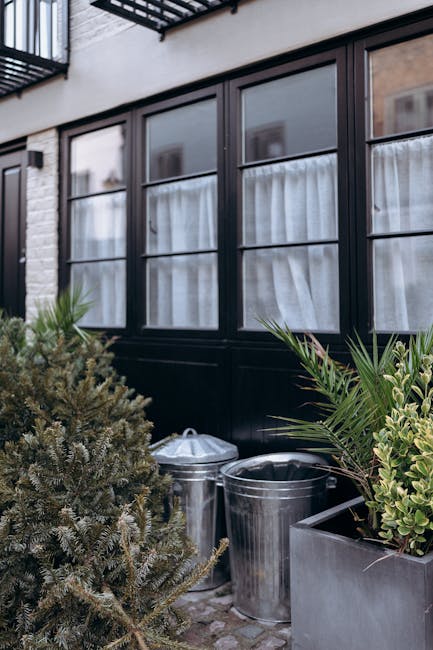
What to know about rubbish collection for narrow terraces Hackney
Narrow terraces in Hackney can make rubbish collection feel oddly complicated. You might only have a slim hallway, a steep stairwell, a front step that seems a bit too high on damp mornings, and not much room to stage bags without blocking the way. Then there is the timing issue, the neighbours, the mess, and the simple fact that bulky waste never seems to arrive at a convenient moment. If you are trying to clear a property, manage a renovation, or just stop clutter from taking over the back room, knowing how rubbish collection works in narrow terraces really matters.
This guide breaks the process down in plain English. We will look at what makes terrace access tricky, how collections usually work, what to plan for, and how to avoid the common headaches that catch people out. You will also find practical tips, a comparison table, a checklist, and a real-world example so you can make a calm, sensible decision rather than a rushed one. Truth be told, with a bit of planning, it's usually much easier than it first looks.
Why What to know about rubbish collection for narrow terraces Hackney Matters
Narrow terraces in Hackney often come with access constraints that are easy to underestimate. The issue is not just the width of the street. It is the chain of little obstacles: tight front gardens, shared alleyways, parked cars, basement steps, awkward landings, and bins that seem to attract extra rainwater the moment you need to move them. When rubbish collection is planned without thinking about access, you end up with slow loading, more manual carrying, and more chance of scuffs, spills, or disruption.
That matters for homeowners, landlords, tenants, letting agents, tradespeople, and anyone clearing a property between moves. It matters for safety too. Heavy items moved through a narrow house can scrape walls, strain backs, and turn a quick job into a messy one. And if you are dealing with builders' waste, old furniture, or a long-overdue loft clear-out, poor planning can make a simple collection feel like a small expedition. Nobody needs that on a Tuesday morning.
There is also the neighbour factor. On a terrace, sound carries. Bags dragged across paving, doors left open, and bulky waste piled outside for too long can all irritate people next door. A neat, time-bound collection keeps things civil. In Hackney, where streets can be busy and parking is precious, this is more than manners; it is good practical sense.
How What to know about rubbish collection for narrow terraces Hackney Works
Rubbish collection for narrow terraces usually starts with a quick assessment of access. The person arranging the collection needs to know what kind of waste is involved, roughly how much there is, where it is located inside the property, and whether there are any access issues such as narrow stairs, steep steps, controlled parking, or no front garden space. That information shapes the vehicle size, crew size, and loading approach.
In a narrow terrace, the collection method often depends on one of three things: how far the waste must be carried, whether items can be dismantled first, and whether the team can park close enough to avoid a long manual carry. Sometimes rubbish is taken through the front door in a careful, item-by-item flow. Sometimes it is better to move it through a rear passage or garden if available. And sometimes a small van and a two-person crew are the sensible answer because a larger vehicle simply cannot position itself properly.
The practical reality is that collections in terrace homes are usually about sequencing. You do not want to move everything at once. You stage, sort, carry, load, then check. That rhythm keeps the job tidy and reduces the chance of a blocked hallway. If there is furniture involved, services such as furniture clearance or furniture disposal can be especially useful because large items often need careful handling before they can leave the property safely.
If the waste is more general household clutter, a broader home clearance approach may fit better. For larger or more mixed properties, house clearance can be the cleaner option. The key point is simple: the service should match the access, not just the pile.
Key Benefits and Practical Advantages
Good rubbish collection planning for narrow terraces brings a few real advantages. Some are obvious, some only become obvious once you have done it the hard way.
- Less disruption: The right team, vehicle, and timings mean less blocking of hallways, steps, and pavements.
- Lower risk of damage: Narrow corridors and staircases are notorious for chipped paint, knocked corners, and dented banisters.
- Better safety: Fewer trips, fewer awkward lifts, and less chance of injury from carrying heavy waste down tight spaces.
- Cleaner finish: A planned collection usually leaves less dust, mess, and debris behind.
- Faster turnaround: Once the route is clear, the job tends to move quickly. No faffing around, as people say.
- Improved neighbour relations: A tidy, efficient collection is simply easier on everyone living close by.
There is another benefit people miss: decision clarity. When you know the access constraints, you can sort what should be removed, what should be broken down, and what should stay. That makes the whole thing feel less overwhelming. A bit of structure goes a long way.
For some customers, especially those dealing with mixed waste or ongoing works, it can be helpful to compare a one-off collection with broader waste removal support. For business premises squeezed into terrace-style buildings, business waste removal may also be worth considering if the load is recurring rather than a single clear-out.
Who This Is For and When It Makes Sense
This kind of rubbish collection advice is relevant to a surprising range of people. It is not just for people with a house full of old junk. To be fair, the most common situations are usually quite ordinary.
- Homeowners clearing a spare room, loft, cellar, or back bedroom
- Renters moving out and needing a fast tidy-up before handover
- Landlords dealing with left-behind items after a tenancy
- Families clearing bulky furniture after a downsize
- Tradespeople removing debris after a small refurbishment
- Small offices or home businesses working from converted terrace properties
- People sorting garden waste from rear yards or narrow side access
It makes sense whenever access is tight and the waste is too much for normal bins or a simple car load. It also makes sense if you do not want to spend half the day wrestling a wardrobe through a staircase that seems to shrink when you carry something heavy. Why make life harder?
If the job involves loft boxes, old suitcases, or items stored upstairs, a loft clearance service can be a practical fit. For garages, which in terrace homes can be more like storage caves than garages, garage clearance is often the better starting point. And for anyone replacing broken seating, tables, or wardrobes, a mix of clearance and disposal planning usually saves time.
Step-by-Step Guidance
If you want the process to run smoothly, use a simple plan. Nothing fancy. Just a bit of order.
- Walk the route first. Check the front path, hall, stairs, landings, rear access, and the place where waste will be staged. Note anything awkward.
- Sort what is leaving. Group items by type: furniture, mixed rubbish, garden waste, renovation debris, or general household clutter.
- Measure large items. Wardrobes, sofas, mattresses, and appliances need checking against door widths and bends in the stairwell.
- Clear the path. Remove loose shoes, mats, boxes, and anything else that could catch a foot or block a carry route.
- Break down what you safely can. Flat-pack items, shelving, and light furniture often move better in sections.
- Confirm parking or loading space. In Hackney, this is often the bit people forget until the van arrives. Slightly annoying, but common.
- Keep fragile or hazardous items separate. Paint, sharp offcuts, batteries, and similar items should not be mixed casually with regular waste.
- Schedule the collection for a sensible time. Morning slots can be easier for access and parking, but the best time depends on the street.
- Do a final sweep. Check under stairs, behind doors, and in corners. You always find one more thing, don't you?
If you are arranging the work through a service provider, ask how they handle narrow access and whether they need photos beforehand. A quick image of the hallway or stairwell can prevent guesswork. It can also help determine whether you need a smaller load, a different team size, or a more staged collection.
Expert Tips for Better Results
Here is where a little experience helps. Narrow terrace collections go more smoothly when you think like the waste is already moving, not when you think only about the pile sitting still.
Use the doorway test. If an item feels tight on the way out, it will feel tighter on the landing. Stand it upright, turn it carefully, and check the corners before you commit to carrying it down.
Protect the route before lifting. Old blankets, cardboard, or floor protection can save walls and skirting boards. A tiny bit of prep avoids that horrible scraping sound that makes everyone wince.
Start with the biggest item first. Once the bulky piece is out, the rest of the job usually feels lighter. Momentum matters.
Keep bags manageable. Overfilled rubble sacks or bin bags are awkward in narrow stairs and can split at the worst moment. Usually right near the bottom. Of course.
Separate reusable items early. If something can be reused or passed on, move it aside before the main clearance. That keeps the removal pile smaller and more organised.
Check what needs special handling. Fridges, freezers, old paint tins, fluorescent tubes, and electrical waste may need separate treatment. You do not want surprise complications halfway through.
One more thing: if your terrace backs onto a garden or alley, use the better access point even if it feels slightly less direct. The shortest route is not always the easiest route. In practice, the easiest route is the one that avoids twisting a sofa around a banister at 8 a.m.
Common Mistakes to Avoid
Most problems with terrace rubbish collection come from rushing or underestimating access. The mistake is usually small at the start and annoying by the end.
- Booking before checking access: If the team arrives and discovers a very tight hallway or no loading space, the job becomes slower and sometimes more expensive.
- Leaving everything until the last minute: A pile that grows overnight is rarely a tidy pile.
- Mixing rubbish and valuables: It happens all the time. A bag of cables, a box of keepsakes, and some broken bits of furniture should not all go into one anonymous heap.
- Forgetting about parking restrictions: Even a short loading stop can matter on busy Hackney streets.
- Trying to carry oversized items without planning: That sofa may look manageable until the stairwell corner says otherwise.
- Ignoring weight limits for DIY lifting: If it feels too heavy, it probably is too heavy. Simple as that.
Another common one is assuming all rubbish can be treated the same. It cannot. Mixed waste, furniture, builders' debris, and garden material can each need different handling. That is one reason some people choose a service that can cover multiple waste types rather than trying to improvise. If the job includes renovation debris, builders waste clearance may be more suitable than a general household removal.
Tools, Resources and Recommendations
You do not need specialist equipment for every clear-out, but a few basic tools make narrow terrace work much easier. A hand trolley or sack truck helps with heavier items, though it should only be used where the stairs and landings allow safe manoeuvring. Strong gloves are useful. So are dust sheets, packing tape, bin liners, and a marker pen for sorting labels.
If the property has a lot of reusable furniture or mixed household items, it can help to plan the job around a specific service. For example, furniture clearance is useful when the main problem is bulk. Home clearance works better when you are handling a broader mix. And if the job is about emptying a workplace in a converted terrace, office clearance can keep the process focused.
You may also want to think about what happens after collection. Responsible disposal, recycling, and separation are not just nice extras. They are part of a sensible service. A provider with a clear recycling and sustainability approach is generally a better fit than one that treats every load as the same.
Useful pages to review before booking also include pricing and quotes, insurance and safety, and health and safety policy. They help you understand what a professional service should cover and what standards to expect.
Law, Compliance, Standards, or Best Practice
When rubbish collection involves a private property, the main compliance concerns are usually practical rather than complicated: safe handling, proper disposal, and avoiding obstruction. In the UK, anyone collecting and carrying waste professionally should follow accepted waste-handling practice and make sure waste is passed to an authorised route. As a customer, you do not need to become an expert in the rules, but you should expect the provider to act responsibly and clearly.
For terrace homes, the key best practices are straightforward:
- Do not block the pavement, shared hallway, or neighbour access for longer than necessary.
- Keep routes clear and safe for lifting and carrying.
- Separate items that may need special treatment.
- Use sensible manual handling to reduce injury risk.
- Make sure the collection plan reflects access limits, not assumptions.
It is also wise to check service terms before booking. That way you know what is included, what happens if access is tighter than expected, and how the team handles delays or additional waste. For general customer reassurance, the site's terms and conditions and complaints procedure are worth reading. A little boring, maybe, but useful.
If you are storing personal data, business files, or office equipment in the items being cleared, keep confidentiality in mind too. That is where a structured approach matters. Paperwork in a box is not just rubbish until you have checked it properly. Annoying, but true.
Options, Methods, or Comparison Table
There is more than one way to handle rubbish collection in a narrow terrace. The right method depends on the type of waste, the access route, and how much time you want to spend doing it yourself.
| Method | Best for | Pros | Watch out for |
|---|---|---|---|
| DIY bin-by-bin sorting | Small, light loads | Low cost, simple, flexible | Slow, tiring, and awkward in tight stairs |
| Self-load into a vehicle | Moderate volumes with good access | Good control over timing | Parking, lifting, and repeated trips can be a pain |
| Professional rubbish collection | Bulky or mixed waste | Faster, safer, less hassle | Needs clear access information and scheduling |
| Specialist clearance service | Whole rooms, lofts, garages, or furniture-heavy jobs | More efficient for complex clear-outs | May be more than you need for tiny loads |
For many narrow terraces, the professional route is the most practical because it reduces the number of decisions you need to make on the day. That said, if you only have a few bags and one small item, DIY can still be perfectly sensible. The trick is matching the method to the job. Not the other way round.
Case Study or Real-World Example
Picture a typical Hackney terrace. Two bedrooms upstairs, a narrow hall, a small front step, and a back room that has become the unofficial home of broken shelves, a tired armchair, and a box of old cables nobody has looked at since last summer. Nothing dramatic. Just ordinary clutter.
The first instinct is often to start carrying things out immediately. But in practice, the better move is to stage the items. The armchair is checked first because it is the bulkiest. The shelves are dismantled. The box of cables is sorted into keep, recycle, and remove. A small route through the hallway is cleared so nobody trips. Then the collection happens in a steady flow, with the biggest object out first and the smaller bags following.
What made the difference was not brute force. It was access planning. The team avoided dragging waste back and forth, and the hallway stayed intact. No scratched paint, no blocked doorway, no miserable last-minute shuffle. The whole thing was done in a way that felt calm, which is honestly what most people want in the middle of a clutter clear-out.
That same logic works for bigger jobs too. Whether it is a few awkward items or a full property reset, the collection succeeds when the route, load, and timing all line up. Simple, but not simplistic.
Practical Checklist
Use this checklist before your rubbish collection in a narrow terrace:
- Have you identified the exact items to be removed?
- Have you checked the route from the item to the exit?
- Are the stairs, hallway, and doorways clear?
- Do any items need dismantling first?
- Have you separated hazardous, recyclable, and reusable materials?
- Is there enough space for safe staging near the exit?
- Have you checked parking or loading access?
- Do neighbours need a heads-up if access may be affected?
- Have you confirmed the booking details, timing, and waste type?
- Have you set aside anything you want to keep?
- Is the final route protected against scuffs or spills?
- Have you read the relevant service terms and safety information?
Expert summary: The fewer surprises on the day, the smoother the collection. In narrow Hackney terraces, access planning is just as important as the waste itself. Get that right and most of the stress disappears.
If you want tailored help, a friendly first step is to review about us and then use contact us when you are ready to discuss the job in more detail.
Conclusion
Rubbish collection for narrow terraces in Hackney is mostly about making smart decisions early. Once you understand the route, the waste type, the access limitations, and the best way to stage the job, everything becomes easier. Less lifting. Less mess. Less friction with the neighbours. And less chance of an item getting stuck halfway down the stairs, which is never a good look.
The best results usually come from a practical, measured approach: sort first, clear the route, match the method to the property, and keep safety in mind. That works whether you are clearing one bulky item or an entire room. It is a small bit of planning that saves a surprising amount of time and energy.
Get a free quote today and see how much you can save.
And if you take one thing from this guide, let it be this: in a narrow terrace, the easiest rubbish collection is the one that respects the shape of the house.
Frequently Asked Questions
What is the biggest challenge with rubbish collection in narrow terraces?
The biggest challenge is usually access. Narrow hallways, steep stairs, tight doorways, and limited parking can all slow the job down if they are not planned for in advance.
Do I need to dismantle furniture before collection?
Not always, but it often helps. If a wardrobe, bed frame, or shelving unit is too large for the stairwell or doorway, dismantling it first can make the collection safer and quicker.
Can rubbish collection work if there is no front garden or driveway?
Yes. Many terrace collections rely on careful carrying from inside the property to the vehicle. The key is making sure the route is clear and the loading point is workable.
What should I do with mixed waste from a terrace clear-out?
Sort it into rough groups first if you can: furniture, general rubbish, recyclable items, and anything that may need special handling. This keeps the collection more organised and can prevent mistakes.
Is rubbish collection suitable for lofts and basements?
Yes, provided the access route is safe. Loft and basement jobs are common in terraces, but they can be awkward, so careful planning matters even more.
How do I know whether I need a house clearance or general waste removal?
If you are clearing multiple rooms, large amounts of household items, or a whole property, house clearance may be the better fit. If the waste is smaller or more general, waste removal may be enough.
Will collection be more expensive if access is tight?
It can be, depending on how much extra time, labour, or staging is needed. The best way to avoid surprises is to describe the access clearly before booking.
What items need special attention?
Large furniture, electrical items, sharp objects, paint, and anything potentially hazardous should be identified early. They may need separate handling or extra care during loading.
How can I make the collection day easier?
Clear the route, sort the items in advance, protect floors if needed, and make sure the parking or loading point is ready. Small prep work usually saves a lot of stress later.
What if I live in a terrace with shared access?
Shared access means you should be extra careful about timing, noise, and keeping walkways open. A tidy, well-planned collection reduces disruption for everyone involved.
Can a collection team take away old furniture from a narrow staircase?
Usually yes, as long as the item can be moved safely through the property. If the staircase is extremely tight, the item may need to be dismantled first.
What should I check before booking?
Check the service details, the waste type accepted, any access requirements, safety information, and pricing terms. A little checking at the start tends to prevent awkwardness on the day.